
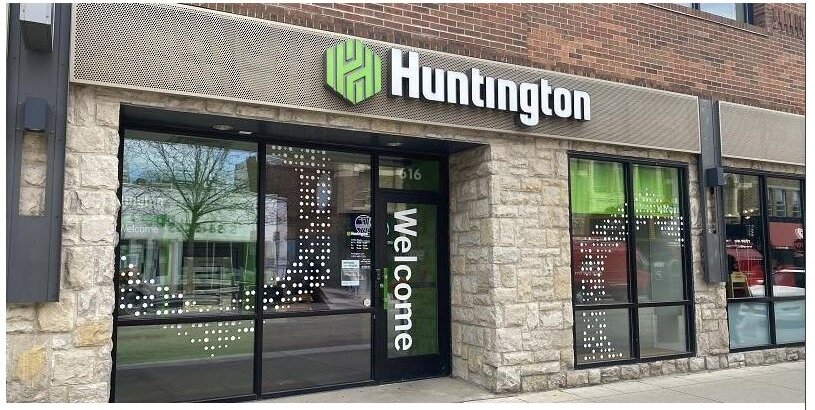
Huntington National Bank: Complete Guide to History, Banking Services, Accounts, Loans, Digital Banking, Business Banking and Financial Strength
Huntington National Bank is one of the largest regional banking institutions in the United States and has a history stretching back to 1866. Headquartered in Columbus, Ohio, Huntington has developed from a community-focused Ohio bank into a major multi-state financial institution serving consumers, small businesses, middle-market companies, large corporations and wealth-management clients.
Today, Huntington operates through The Huntington National Bank, the principal banking subsidiary of Huntington Bancshares Incorporated. Its financial services include consumer banking, commercial banking, mortgage banking, payments, wealth management, trust services, insurance, investment banking, capital markets, equipment finance, auto finance and numerous specialized business-finance solutions. According to Huntington’s 2025 annual report, the organization had $225.1 billion in total assets at December 31, 2025. The company also reported that, following the completion of its merger with Cadence Bank on February 1, 2026, its network expanded to nearly 1,400 branches across 21 states. (Huntington Bancshares Incorporated)


For customers searching for a full-service bank with both physical branches and digital banking capabilities, Huntington National Bank represents an important name in the American banking sector. Its business model combines traditional relationship banking with online and mobile banking, automated financial services and specialized financial solutions.
This comprehensive guide examines Huntington National Bank from its history and corporate structure to its personal banking products, business services, loans, mortgages, digital banking, wealth management, community involvement and future direction.
Huntington National Bank at a Glance
Huntington National Bank is the banking subsidiary of Huntington Bancshares Incorporated. The bank has been serving customers since 1866 and is headquartered in Columbus, Ohio. Its parent company, Huntington Bancshares, is a publicly traded financial-services organization.
Some important facts about Huntington include:
- Bank: The Huntington National Bank
- Parent company: Huntington Bancshares Incorporated
- Headquarters: Columbus, Ohio
- Founded: 1866
- Banking heritage: More than 160 years
- 2025 total assets: Approximately $225.1 billion
- 2025 total deposits: Approximately $176.6 billion
- 2025 revenue: Approximately $8.2 billion
- Branch network after Cadence merger: Nearly 1,400 branches
- Post-merger geographic footprint: 21 states
- Primary markets: Midwest, Southeast, Texas and other selected U.S. markets
- Core businesses: Consumer banking, business banking, commercial banking, mortgage, wealth management and specialized financial services
Huntington’s investor-relations information shows that total assets increased from approximately $204.2 billion in 2024 to $225.1 billion in 2025, while total revenue reached approximately $8.2 billion in 2025. (Huntington Bancshares Incorporated)
These figures illustrate how Huntington has expanded beyond its historical Ohio base to become a substantial regional banking organization.
The History of Huntington National Bank
The story of Huntington National Bank begins in 1866, making its history considerably longer than that of many modern American financial institutions.
Huntington’s origins are closely connected with the growth of Columbus, Ohio, and the economic development of the Midwest. Over generations, the institution expanded its branch network, developed new financial products and completed acquisitions that helped it reach customers in additional markets.
The bank’s history is particularly notable because it combines traditional relationship banking with a long record of adopting new technology.
According to Huntington’s historical timeline, the institution experienced major growth and innovation throughout the twentieth century. In 1923, a new era of growth began with acquisitions. In 1958, Huntington opened its first branch following the acquisition of Market Exchange Bank. In 1962, it installed its first computer. In 1966, Huntington marked its centennial and launched Huntington Bancshares as a holding company. (Huntington Bank)
The organization’s technology history is especially interesting. Huntington introduced its “Handy-Bank” in 1972, described by the company as the nation’s first 24/7 automated financial center. The innovation reflected Huntington’s effort to make banking services more accessible outside traditional branch hours. (Huntington Bank)
That emphasis on convenience later evolved into ATMs, telephone banking, online banking and mobile banking.
Huntington’s Early Development
During the late nineteenth and early twentieth centuries, banks played a critical role in financing commercial activity, agriculture, manufacturing, real estate and household needs.
Huntington developed alongside the economy of Ohio and the surrounding Midwest. As businesses expanded, financial institutions increasingly needed to provide more sophisticated services, including commercial loans, deposit accounts, payment services and investment-related products.
Huntington’s growth through acquisitions helped establish a broader customer base and branch network.
Expansion Through Acquisitions
Acquisitions have been an important part of Huntington’s development.
Rather than relying exclusively on organic branch growth, Huntington has repeatedly expanded through combinations with other financial institutions. These transactions have allowed the company to enter new geographic markets, acquire customer relationships and increase its product capabilities.
Over time, Huntington expanded beyond Ohio into states including Michigan, Indiana, Pennsylvania, West Virginia, Kentucky, Illinois, Minnesota, Wisconsin, Colorado, North Carolina, South Carolina and Texas, among others.
The acquisition strategy has helped transform Huntington from a primarily Ohio-based banking organization into a much larger regional financial-services company.
Huntington and Technological Innovation
Technology has always been an important part of Huntington’s banking strategy.
The institution’s technology history includes early computerization, automated financial centers, ATMs and eventually online and mobile banking.
Modern customers increasingly expect banking services to be available at any time. Huntington therefore combines its physical branch network with digital channels.
Customers can use digital banking services to monitor accounts, transfer money, pay bills, deposit checks remotely and manage many routine banking activities without visiting a branch.
Huntington Bancshares and Huntington National Bank
Understanding the difference between Huntington Bancshares and Huntington National Bank is important.
Huntington Bancshares Incorporated is the bank holding company.
The Huntington National Bank is the principal banking subsidiary.
Huntington’s 2025 Form 10-K specifically explains that when the company refers to the “Bank,” it means The Huntington National Bank and its subsidiaries. (Huntington Bancshares Incorporated)
The distinction is similar to the relationship between many major U.S. bank holding companies and their banking subsidiaries.
Huntington Bancshares manages the broader corporate organization, while Huntington National Bank provides many of the banking services customers interact with directly.
Huntington’s Current Scale
Huntington’s growth can be seen through its balance sheet.
At the end of 2025, Huntington reported:
- Total assets: $225.1 billion
- Total liabilities: $200.7 billion
- Total deposits: $176.6 billion
The company reported that total assets increased by approximately $20.9 billion during 2025, or about 10%. Growth was supported by organic loan expansion and the acquisition of Veritex. (Huntington Bancshares Incorporated)
Huntington also reported approximately $10.3 billion of organic loan growth and $9.3 billion of loans acquired through the Veritex transaction during 2025. (Huntington Bancshares Incorporated)
These figures demonstrate the scale of Huntington’s lending and deposit franchise.
Huntington’s Veritex Acquisition
One of Huntington’s important recent expansion steps was its acquisition of Veritex Holdings, Inc.
The transaction increased Huntington’s presence in Texas and added Veritex’s branch network.
Huntington reported that the transaction was completed on October 20, 2025. The combined organization had approximately $223 billion in assets, $176 billion in deposits and $148 billion in loans based on September 30, 2025 balances. (Huntington Bancshares Incorporated)
The transaction was strategically significant because Texas represents one of the largest and fastest-growing state economies in the United States.
Huntington had already maintained commercial banking activities in Texas, particularly in Dallas and Houston. The Veritex combination expanded Huntington’s local branch presence and strengthened its ability to serve consumers and businesses.
Huntington’s Cadence Bank Merger
Another major development occurred in 2026 with Huntington’s combination with Cadence Bank.
According to Huntington’s 2025 annual report, the merger was completed on February 1, 2026. Huntington subsequently operated nearly 1,400 branches across 21 states. (Huntington Bancshares Incorporated)
The Cadence transaction represents a significant step in Huntington’s transformation into a broader multi-region banking organization.
The combined footprint strengthens Huntington’s presence across several important U.S. markets and gives the bank a larger platform for consumer, business and commercial banking.
Where Does Huntington National Bank Operate?
Huntington’s traditional strength has been the Midwest, especially Ohio and neighboring states.
Its expanded footprint now reaches a much broader portion of the United States.
The company’s pre-Cadence footprint included states such as:
- Ohio
- Michigan
- Indiana
- Pennsylvania
- West Virginia
- Kentucky
- Illinois
- Wisconsin
- Minnesota
- Colorado
- North Carolina
- South Carolina
- Texas
Huntington also maintained financial activities outside its traditional branch footprint.
After the Cadence merger, the organization operates in 21 states, significantly increasing its national geographic reach. (Huntington Bancshares Incorporated)
This broader footprint creates opportunities for Huntington to serve customers who move between states and businesses operating across multiple markets.
Personal Banking at Huntington National Bank
Personal banking is one of Huntington’s most visible business areas.
Individual customers typically need several basic financial services:
- Checking accounts
- Savings accounts
- Money market accounts
- Certificates of deposit
- Debit cards
- Online banking
- Mobile banking
- Direct deposit
- Bill payment
- Personal loans
- Auto financing
- Mortgages
- Home equity financing
- Credit cards
- Investment services
Huntington’s personal banking model combines branch-based relationship banking with digital services.
For many customers, the checking account is the central relationship with the bank.
Once customers establish a primary checking relationship, they may add savings, loans, mortgages, investment services or other products.
Huntington Checking Accounts
A checking account is designed for everyday financial transactions.
Typical checking-account activities include:
- Receiving salary deposits
- Paying bills
- Using a debit card
- Writing checks
- Making electronic transfers
- Withdrawing cash
- Making mobile deposits
- Managing recurring payments
Huntington has historically positioned its checking products around flexibility and relationship banking.
The specific fees, minimum balance requirements, overdraft policies, interest rates and eligibility requirements can change, so customers should review Huntington’s current disclosures before opening an account.
Why a Huntington Checking Account May Be Useful
Customers may choose Huntington because of its combination of physical branches and digital banking.
A customer who prefers face-to-face service can visit a branch, while someone who prefers mobile banking can manage many routine transactions electronically.
The bank’s broad branch footprint is also useful for customers who live, work or travel within Huntington’s operating markets.
Huntington Savings Accounts
Savings accounts are designed for customers who want to keep money separate from everyday spending.
Common reasons for maintaining a savings account include:
- Emergency savings
- Vacation funds
- Education expenses
- Home-purchase savings
- Major purchases
- Short-term financial goals
A savings account can help customers create a structured financial habit by separating spending money from money intended for future use.
Interest rates, account requirements and fees can vary by product and may change over time.
Huntington Money Market Accounts
Money market accounts generally combine characteristics of savings and transaction accounts.
Depending on the product, customers may receive interest while retaining certain access to their funds.
These accounts can be useful for customers who want to maintain larger cash balances while preserving relatively convenient access to their money.
Customers should compare the interest rate, minimum balance, transaction limitations and fees before choosing a money market account.
Huntington Certificates of Deposit
Certificates of deposit, commonly called CDs, are designed for customers willing to leave money deposited for a specified period in exchange for a predetermined interest rate.
CD terms can vary from short periods to several years.
Potential advantages include:
- Predictable interest earnings
- Fixed rates for the selected term
- Structured savings
- Reduced temptation to spend the money
The primary disadvantage is reduced flexibility because early withdrawal may result in a penalty.
Anyone considering a Huntington CD should review the current annual percentage yield, term, minimum deposit and early withdrawal conditions.
Huntington Debit Cards
Debit cards provide customers with access to funds held in eligible checking accounts.
Customers can generally use debit cards for:
- Retail purchases
- Online purchases
- ATM withdrawals
- Recurring payments
- Contactless transactions where supported
Debit cards are convenient because transactions generally draw directly from the customer’s deposit account.
Customers should nevertheless monitor transactions regularly and use account alerts and security features to reduce fraud risk.
Huntington Online Banking
Online banking has become an essential component of modern banking.
Huntington customers can use digital banking tools to perform many routine financial tasks.
Depending on account and service eligibility, digital banking can include:
- Account balances
- Transaction history
- Transfers
- Bill payment
- Mobile check deposit
- Statements
- Alerts
- Account management
- Digital documents
Online banking reduces the need to visit a physical branch for everyday transactions.
Huntington Mobile Banking
Smartphone banking has become one of the primary ways consumers interact with their financial institutions.
A modern banking app can allow customers to check balances, transfer money, deposit checks, pay bills and receive account notifications.
Mobile banking can be especially valuable for customers who live far from branches or have busy schedules.
Security is an important part of mobile banking. Customers should use strong passwords, device security, multifactor authentication where available and official banking applications.
Customers should also avoid entering banking credentials through suspicious links or unofficial websites.
Huntington ATM Services
ATMs provide customers with convenient access to cash and basic banking services.
Huntington’s ATM network forms part of its larger physical banking infrastructure.
The company’s 2025 regulatory filing reported more than 1,500 ATMs in mid-2025 before subsequent expansion associated with its larger geographic footprint. (Huntington Bancshares Incorporated)
ATM availability can be especially important for customers who prefer cash transactions or need access to funds outside branch hours.
Huntington Mortgage Banking
Buying a home is one of the largest financial decisions most consumers make.
Huntington offers mortgage-related services as part of its broader financial-services platform.
Mortgage services can include financing for:
- Primary residences
- Home purchases
- Refinancing
- Certain specialized housing needs
Mortgage eligibility generally depends on factors such as:
- Credit history
- Income
- Employment
- Existing debts
- Down payment
- Property value
- Loan-to-value ratio
- Overall financial profile
Mortgage rates change frequently, so consumers should compare current Huntington mortgage offers with other lenders before making a decision.
Huntington Home Equity Financing
Homeowners may sometimes use home equity to finance major expenses.
Home equity represents the difference between the value of a property and the outstanding mortgage balance.
Potential uses of home equity financing can include:
- Home improvements
- Education expenses
- Debt consolidation
- Major purchases
- Other significant expenses
However, home equity borrowing uses the home as collateral, so customers should carefully evaluate repayment capacity.
Huntington Personal Loans
Personal loans can provide financing for a variety of consumer needs.
Depending on eligibility and product availability, consumers may consider personal financing for:
- Large purchases
- Home-related expenses
- Debt consolidation
- Unexpected costs
- Other planned expenditures
Before taking a personal loan, borrowers should examine the annual percentage rate, fees, repayment period and total interest cost.
The lowest monthly payment is not necessarily the least expensive option because longer repayment periods can increase total interest.
Huntington Auto Financing
Automobile financing is another important part of consumer lending.
Huntington has developed specialized auto-finance capabilities alongside its broader consumer and commercial lending businesses.
Customers considering an auto loan should compare:
- Interest rate
- Loan term
- Down payment
- Monthly payment
- Total financing cost
- Prepayment terms
- Dealer financing alternatives
Comparing multiple offers can help borrowers understand the true cost of vehicle financing.
Huntington Business Banking
Huntington has a particularly strong focus on business customers.
Business banking services can support:
- Entrepreneurs
- Small businesses
- Professional practices
- Middle-market companies
- Commercial enterprises
- Large corporations
Business customers may require much more than a checking account.
They may need:
- Business checking
- Business savings
- Lines of credit
- Commercial loans
- Treasury management
- Merchant services
- Payroll solutions
- Payment services
- Equipment financing
- Commercial real estate financing
- SBA lending
- Cash-management services
Huntington’s diversified business model allows it to serve companies at different stages of development.
Huntington Small Business Banking
Small businesses frequently need a banking partner that understands cash-flow challenges.
A small business may experience significant differences between monthly revenue, accounts receivable and operating expenses.
Business banking can help companies manage:
- Deposits
- Payments
- Working capital
- Payroll
- Vendor payments
- Business credit
- Cash flow
- Expansion
Huntington’s relationship-oriented approach is designed to connect businesses with banking professionals who can help identify appropriate financial products.
Huntington Commercial Banking
Commercial banking is one of Huntington’s major businesses.
Commercial clients may include manufacturing companies, healthcare organizations, distributors, transportation businesses, real estate companies and other middle-market enterprises.
Commercial banking needs can be considerably more complex than consumer banking.
A commercial customer may require:
- Revolving credit
- Term loans
- Commercial real estate financing
- Treasury management
- Foreign exchange
- Capital markets services
- Equipment finance
- Investment banking
- Risk-management services
Huntington’s ability to provide multiple services allows it to pursue deeper relationships with commercial customers.
Huntington Treasury Management
Treasury management helps businesses control cash.
Effective cash management is essential because companies need sufficient liquidity to meet operating obligations while avoiding unnecessary idle cash.
Treasury services may assist businesses with:
- Receivables
- Payables
- Electronic payments
- Liquidity management
- Fraud controls
- Account reconciliation
- Cash concentration
- Reporting
For larger companies, treasury management can be a critical component of financial operations.
Huntington Equipment Finance
Businesses frequently need equipment to operate.
Examples include:
- Manufacturing machinery
- Construction equipment
- Medical equipment
- Transportation equipment
- Technology systems
- Specialized business assets
Equipment financing allows businesses to acquire assets without necessarily paying the entire purchase price upfront.
Huntington lists equipment financing among its financial-services capabilities. (Huntington Bancshares Incorporated)
Huntington Commercial Real Estate
Commercial real estate financing supports businesses and investors acquiring or developing properties.
Potential property categories include:
- Office buildings
- Retail centers
- Industrial properties
- Multifamily properties
- Hospitality properties
- Healthcare facilities
- Mixed-use developments
Commercial real estate lending involves detailed underwriting because repayment can depend on property income, occupancy, market conditions and borrower financial strength.
Huntington Wealth Management
Huntington also serves higher-net-worth customers through wealth management and private banking.
Wealth management can include:
- Investment management
- Financial planning
- Trust services
- Estate planning support
- Retirement planning
- Private banking
- Brokerage
- Specialized lending
The objective of wealth management is generally broader than simply choosing investments.
A comprehensive financial plan can consider:
- Income
- Expenses
- Taxes
- Investments
- Retirement
- Estate planning
- Insurance
- Philanthropy
- Legacy goals
Huntington Private Bank
Huntington Private Bank serves customers who require more personalized financial services.
Private banking can combine traditional banking with wealth-management capabilities.
Clients may receive assistance with:
- Customized lending
- Cash management
- Investment management
- Trust services
- Financial planning
- Estate-related strategies
Private banking relationships are generally designed around the customer’s overall financial circumstances rather than a single banking product.
Huntington Trust Services
Trust services are important for estate planning and wealth transfer.
A trust can help individuals manage assets according to specified instructions.
Trust services can potentially address:
- Estate administration
- Asset management
- Beneficiary planning
- Wealth transfer
- Charitable objectives
Because estate planning can involve complex legal and tax issues, customers should consult qualified attorneys and tax professionals in addition to financial professionals.
Huntington Insurance Services
Insurance is another part of Huntington’s broader financial-services ecosystem.
Insurance can help individuals and businesses manage financial risks.
Depending on product availability and eligibility, insurance services can relate to:
- Property
- Casualty
- Business risks
- Life insurance
- Other financial protection needs
Insurance should be evaluated based on coverage requirements rather than price alone.
Huntington Investment Banking
Huntington’s services extend beyond traditional deposit-taking and lending.
Investment banking and capital markets services can support corporate customers with transactions such as:
- Mergers and acquisitions
- Corporate financing
- Capital raising
- Advisory services
- Market transactions
This capability allows Huntington to serve larger companies with more sophisticated financial requirements.
Huntington Capital Markets
Capital markets services connect businesses with financial markets.
Companies may need capital for:
- Expansion
- Acquisitions
- Refinancing
- Working capital
- Strategic investment
Capital markets professionals can help organizations evaluate financing alternatives and market conditions.
Huntington Mortgage Servicing
Mortgage banking is not limited to originating loans.
Mortgage servicing involves managing loans after origination.
Servicing can include:
- Payment processing
- Account management
- Escrow administration
- Customer support
- Statements
- Loan servicing operations
Huntington’s broad financial-services platform includes mortgage-related activities.
Huntington’s Deposit Strategy
Deposits are fundamental to banking.
Customers place money into deposit accounts, while banks use a portion of those funds to support lending and other activities.
Huntington reported $176.6 billion in deposits at December 31, 2025, compared with approximately $162.4 billion a year earlier. (Huntington Bancshares Incorporated)
The company described customer deposits as its largest source of liquidity on a consolidated basis.
A diversified deposit base can provide banks with relatively stable funding while supporting lending growth.
Huntington’s Lending Business
Loans are one of the primary assets on a bank’s balance sheet.
Huntington serves borrowers across consumer and commercial markets.
Consumer lending can include:
- Mortgages
- Auto loans
- Personal lending
- Home equity financing
Commercial lending can include:
- Business loans
- Commercial real estate
- Equipment financing
- Working capital facilities
- Specialized industry lending
In 2025, Huntington’s average loans and leases increased approximately 10% from 2024. Commercial loans and leases grew approximately 13% on average, while average consumer loans grew approximately 6%. (Huntington Bancshares Incorporated)
Huntington’s Financial Strength
When evaluating a bank, customers should consider more than product features.
Important factors include:
- Asset size
- Deposit base
- Capital ratios
- Liquidity
- Loan quality
- Earnings
- Diversification
- Regulatory position
- Geographic diversification
Huntington reported $225.1 billion in total assets at year-end 2025. (Huntington Bancshares Incorporated)
Its CET1 risk-based capital ratio was reported at 10.4% at December 31, 2025. (Huntington Bancshares Incorporated)
These measures are relevant indicators of the institution’s financial position, although no single ratio provides a complete picture of a bank’s safety or future performance.
Huntington’s Revenue Growth
Huntington has grown significantly over the past several years.
According to its investor-relations information, total revenue increased from approximately $4.5 billion in 2018 to approximately $8.2 billion in 2025. Total assets increased from approximately $123 billion in 2020 to approximately $225.1 billion in 2025. (Huntington Bancshares Incorporated)
This growth reflects a combination of:
- Organic growth
- Acquisitions
- Deposit growth
- Loan growth
- Expanded fee businesses
- Broader geographic reach
Huntington’s Noninterest Income
Banks earn money through both interest-related and noninterest activities.
Noninterest income can come from:
- Investment banking
- Wealth management
- Payments
- Trust services
- Mortgage banking
- Capital markets
- Advisory fees
- Deposit-related fees
Huntington reported approximately $2.2 billion in noninterest income in 2025, an increase of about 7% from the previous year. The company attributed growth to areas including trust and custody, customer deposit and loan fees, wealth and asset management, payments and cash management, and capital markets and advisory activities. (Huntington Bancshares Incorporated)
This diversification is strategically important because it reduces reliance on traditional lending income alone.
Huntington’s Relationship Banking Model
One of Huntington’s defining characteristics is its emphasis on relationship banking.
Relationship banking means the institution seeks to understand customers beyond a single transaction.
For an individual, this could mean a relationship involving:
Checking → Savings → Mortgage → Investment Services
For a business, it could become:
Business Checking → Treasury Management → Credit Line → Equipment Finance → Commercial Real Estate → Capital Markets
A deeper relationship can potentially create greater convenience for customers while allowing the bank to provide a wider range of financial services.
Huntington’s Digital Transformation
Banking has undergone enormous technological change.
Customers increasingly expect:
- Instant account information
- Mobile deposits
- Digital payments
- Online bill payment
- Electronic statements
- Fraud alerts
- Digital account opening
- Real-time notifications
Huntington’s technology strategy reflects these changing expectations.
Its history of technology adoption goes back decades, including its early computer installation and 24/7 automated banking center. (Huntington Bank)
Today, digital banking is an essential part of the Huntington customer experience.
Security and Fraud Prevention
Banking security is increasingly important as financial transactions move online.
Customers should follow basic security practices such as:
- Use unique passwords
- Enable multifactor authentication when available
- Avoid clicking suspicious banking links
- Keep mobile devices updated
- Monitor account activity
- Use transaction alerts
- Report suspicious transactions quickly
- Never share one-time security codes with unknown callers
Banks invest heavily in cybersecurity, but customers also play an important role in protecting their accounts.
Huntington and Customer Convenience
Convenience is one of the major advantages of a large regional bank.
Huntington combines:
- Branches
- ATMs
- Online banking
- Mobile banking
- Telephone support
- Digital payment tools
Customers can therefore select the banking channel that best fits their needs.
Someone who prefers personal assistance can visit a branch, while another customer can complete most routine transactions digitally.
Huntington’s Community Banking Philosophy
Huntington has historically emphasized its role in local communities.
The company’s stated purpose focuses on making people’s lives better, helping businesses thrive and strengthening the communities it serves. (Huntington Bancshares Incorporated)
Community banking can involve:
- Small business financing
- Home lending
- Financial education
- Community investment
- Charitable support
- Economic development
- Affordable housing initiatives
The importance of community banking remains significant even as financial services become increasingly digital.
Huntington and Small Business Growth
Small businesses are essential to regional economies.
A local restaurant, manufacturer, medical practice, construction company or technology startup may require banking services at different stages of its development.
A bank such as Huntington can potentially support a company throughout its lifecycle.
A new business might begin with:
Business Checking
Then add:
Business Credit
Then:
Equipment Financing
Then:
Commercial Real Estate
And eventually:
Treasury Management and Capital Markets
This illustrates the value of a full-service banking relationship.
Huntington’s Role in the Midwest
The Midwest remains central to Huntington’s identity.
Ohio is especially important because Columbus has served as Huntington’s headquarters for generations.
The bank’s presence in states such as Michigan, Indiana, Illinois, Wisconsin and Minnesota gives it access to major manufacturing, healthcare, agriculture, logistics, professional-services and consumer markets.
The Midwest also has a diverse economy that supports both consumer and commercial banking.
Huntington’s Presence in Texas
Texas represents a major strategic growth opportunity.
Huntington’s commercial banking presence in Texas predates the Veritex acquisition. The company reported that it had served customers and communities in Texas since 2009, with middle-market business banking activities in Dallas and Houston. (Huntington Bancshares Incorporated)
The Veritex transaction substantially increased Huntington’s Texas branch presence.
This creates opportunities to expand:
- Consumer banking
- Small business banking
- Commercial banking
- Commercial real estate
- Treasury management
- Wealth management
Huntington and the Southeast
The broader Southeast is also increasingly important to Huntington.
The company’s expanded footprint gives it access to growing markets in states such as North Carolina and South Carolina and, following the Cadence combination, an even larger southeastern presence.
Population growth and business expansion in the Southeast provide opportunities for banks with strong commercial and consumer capabilities.
Huntington’s Employees
Banks depend heavily on skilled employees.
Banking professionals work in areas such as:
- Branch banking
- Commercial lending
- Credit analysis
- Risk management
- Technology
- Cybersecurity
- Investment banking
- Wealth management
- Compliance
- Customer service
- Operations
Huntington reported approximately 20,000 average full-time equivalent colleagues during 2025. (Huntington Bancshares Incorporated)
As Huntington expands through acquisitions, integrating employees and organizational cultures becomes an important management responsibility.
Huntington’s Approach to Mergers
Large bank mergers can produce significant benefits, but they also create challenges.
Potential benefits include:
- Larger customer base
- More branches
- Greater economies of scale
- Expanded product offerings
- Stronger technology investment
- Broader geographic diversification
Potential challenges include:
- Systems integration
- Customer communication
- Branch consolidation
- Employee integration
- Regulatory requirements
- Technology migration
- Maintaining service quality
Huntington’s recent Veritex and Cadence transactions make successful integration a major component of its future strategy.
Advantages of Huntington National Bank
Huntington offers several potential advantages.
Large Regional Scale
With more than $225 billion in assets at the end of 2025 and an expanded post-Cadence footprint, Huntington has significant regional scale. (Huntington Bancshares Incorporated)
Long History
A banking history dating to 1866 gives Huntington a distinctive institutional heritage.
Branch and Digital Banking
Customers can use physical branches and digital channels.
Broad Product Portfolio
Huntington offers consumer, business, commercial and wealth-management services.
Strong Business Banking Capabilities
The bank has developed substantial commercial and specialized financing capabilities.
Geographic Expansion
Recent acquisitions have expanded Huntington into additional markets.
Community Orientation
Huntington continues to emphasize local communities and customer relationships.
Potential Disadvantages and Considerations
No bank is perfect for every customer.
Potential considerations include:
- Branch availability varies by state
- Rates may not always be the highest available nationally
- Fees can vary by product
- Large-bank policies may be less flexible than those of some community banks
- Digital features may change over time
- Customers outside the branch footprint may prefer an online-only institution
- Merger integration can temporarily affect customer experiences
Consumers should compare Huntington with other banks based on their individual needs.
Huntington vs. Online Banks
Online-only banks can sometimes offer competitive savings rates because they operate with fewer physical branches.
Huntington’s advantage is different.
It combines digital banking with a substantial branch network.
This may appeal to customers who want:
Digital convenience + physical access
Someone who never visits a branch may prefer an online bank.
Someone who wants personal assistance and digital convenience may prefer Huntington.
Huntington vs. Community Banks
Community banks can offer highly personalized relationships in specific local markets.
Huntington provides something different: a combination of regional scale and relationship banking.
For customers with financial needs that extend across multiple states, Huntington’s larger footprint may be particularly valuable.
Huntington vs. Credit Unions
Credit unions operate under different ownership structures from commercial banks.
Credit unions may offer attractive rates and fees to eligible members.
Huntington’s advantages can include a broad product ecosystem, extensive commercial capabilities and a large regional network.
Consumers should compare:
- Eligibility
- Fees
- Rates
- Branches
- ATMs
- Digital banking
- Loan products
- Customer service
How to Choose the Right Huntington Account
Selecting the right bank account depends on financial goals.
For everyday transactions, a checking account may be appropriate.
For emergency savings, a savings account may be more suitable.
For a defined savings period, a CD could be considered.
For larger balances requiring greater flexibility, a money market account may be useful.
The best choice depends on:
- Balance
- Transaction frequency
- Interest rate
- Fees
- Minimum requirements
- ATM access
- Digital features
- Branch convenience
How to Open a Huntington Bank Account
Customers interested in opening a Huntington account should review the current requirements directly through Huntington.
Generally, financial institutions may request:
- Full legal name
- Date of birth
- Residential address
- Social Security number or other tax identification information
- Government-issued identification
- Contact information
- Funding source
Requirements can vary depending on account type.
Huntington Bank Customer Service
Customer service is an important factor when selecting a financial institution.
Customers may need help with:
- Account access
- Transactions
- Debit cards
- Online banking
- Fraud concerns
- Loan questions
- Mortgage servicing
- Account changes
Huntington’s combination of branch, telephone and digital channels provides multiple ways for customers to obtain assistance.
Huntington Bank and Financial Education
Financial education can help customers make better decisions about borrowing, saving and investing.
Important financial topics include:
- Building emergency savings
- Managing debt
- Improving credit
- Understanding interest
- Preparing for retirement
- Buying a home
- Managing business cash flow
A strong banking relationship can provide access to financial information, although customers should independently evaluate financial recommendations and consider professional advice when necessary.
Huntington and Responsible Banking
Modern banking involves more than profitability.
Banks also have responsibilities involving:
- Consumer protection
- Fair lending
- Privacy
- Cybersecurity
- Financial inclusion
- Community investment
- Environmental and social considerations
- Regulatory compliance
Huntington reports on corporate responsibility and related sustainability initiatives through its corporate reporting.
Regulatory Environment
Huntington operates in one of the most highly regulated industries in the United States.
Banks must comply with extensive requirements covering:
- Capital
- Liquidity
- Consumer protection
- Anti-money-laundering
- Privacy
- Cybersecurity
- Fair lending
- Deposit insurance
- Risk management
The regulatory framework is designed to protect customers and maintain financial stability.
FDIC Insurance and Huntington Deposits
Eligible deposits at FDIC-insured banks are generally insured up to applicable legal limits.
Customers should understand the difference between insured deposits and investments.
Checking accounts, savings accounts and certain other deposit products can qualify for FDIC insurance, subject to applicable rules and limits.
Investment products such as stocks and mutual funds are different and generally do not receive FDIC deposit insurance.
Customers with significant deposits should understand ownership categories and applicable insurance limits.
Huntington’s Importance to the U.S. Banking System
Huntington is significant because it occupies the space between small community banks and the largest national banking corporations.
It provides substantial financial resources while maintaining a regional-market orientation.
This position gives Huntington an important role in:
- Consumer finance
- Small business lending
- Commercial lending
- Mortgage finance
- Regional economic development
- Payments
- Wealth management
Huntington’s Economic Impact
Banks influence regional economies by moving capital from savers to borrowers.
A Huntington deposit account can help provide funding that supports loans to:
- Homebuyers
- Entrepreneurs
- Manufacturers
- Retailers
- Healthcare providers
- Property developers
- Transportation companies
- Professional firms
When businesses receive financing, they can invest in equipment, hire employees and expand operations.
This creates a connection between everyday banking and broader economic activity.
Huntington’s Future Strategy
Huntington’s future will likely be shaped by several major forces.
Digital Banking
Customers increasingly expect seamless digital experiences.
Artificial Intelligence
AI can potentially improve fraud detection, customer service, underwriting, personalization and operational efficiency.
Cybersecurity
As digital banking expands, cybersecurity will become increasingly important.
Geographic Expansion
Recent mergers have created a much broader geographic platform.
Commercial Banking
Business banking remains a major growth opportunity.
Wealth Management
As wealth accumulates and demographics change, demand for financial planning and investment services can grow.
Payments
Digital payments and treasury management are becoming increasingly important.
Customer Relationships
Despite technological changes, financial decisions often require human guidance.
Huntington’s challenge will be balancing digital efficiency with relationship banking.
Huntington Bank’s Competitive Position
The U.S. banking market includes several major categories:
- National banks
- Regional banks
- Community banks
- Credit unions
- Online banks
- Fintech companies
Huntington competes primarily as a large regional bank, although its expanded footprint gives it characteristics increasingly associated with a broader multi-region institution.
Its competitive advantages include scale, branch presence, commercial capabilities, product diversity and long-standing customer relationships.
Huntington National Bank for Consumers
For ordinary consumers, Huntington can serve as a primary financial institution.
A customer could potentially use Huntington for:
- Checking
- Savings
- Credit
- Auto financing
- Mortgage
- Home equity
- Investment services
- Insurance
The advantage is convenience through one financial relationship.
However, customers should still compare rates and fees periodically.
Huntington National Bank for Businesses
Businesses can potentially obtain an even broader set of services.
A company may use Huntington for:
- Operating accounts
- Payroll
- Treasury management
- Working capital
- Commercial loans
- Equipment finance
- Real estate finance
- Capital markets
- Investment services
This breadth can make a full-service bank attractive to growing companies.
Huntington National Bank for Wealthy Clients
High-net-worth customers may value integrated services.
Instead of maintaining separate relationships for every financial need, clients can potentially coordinate:
- Banking
- Lending
- Investments
- Trusts
- Estate planning
- Retirement planning
Huntington’s private banking and wealth-management operations are designed for this type of relationship.
How Huntington Generates Profit
Like other commercial banks, Huntington generates revenue through multiple channels.
A simplified banking model looks like this:
Deposits → Funding → Loans and Investments → Interest Income
The bank also earns:
Fees → Payments + Wealth Management + Mortgage + Capital Markets + Other Services
Profitability depends on factors including:
- Interest rates
- Loan demand
- Credit losses
- Deposit costs
- Operating expenses
- Fee income
- Economic conditions
This diversified model is important because banking profitability can change substantially when interest rates and economic conditions change.
Interest Rate Risk
Interest rates affect banks in several ways.
When interest rates rise:
- Loan yields may increase
- Deposit costs may rise
- Securities values can decline
- Customers may move deposits into higher-yield products
When interest rates decline:
- Loan yields may decrease
- Deposit costs can decrease
- Refinancing activity may increase
- Certain securities can gain value
Managing interest-rate risk is therefore a fundamental banking function.
Credit Risk
Credit risk is another major consideration.
A bank lends money with the expectation that borrowers will repay.
If borrowers experience financial difficulties, loan losses can rise.
Huntington manages credit risk through underwriting, monitoring, reserves and diversification.
Its portfolio includes multiple consumer and commercial categories, which can help diversify risk.
Liquidity Risk
Liquidity means the ability to meet financial obligations when they become due.
Banks need liquidity because customers may withdraw deposits while borrowers may draw credit lines.
Huntington reported customer deposits as its largest source of consolidated liquidity at year-end 2025. (Huntington Bancshares Incorporated)
Effective liquidity management is essential for every bank.
Why Huntington’s History Matters
Huntington’s long history is more than a marketing statement.
A bank that has operated since 1866 has experienced:
- Industrialization
- Two world wars
- The Great Depression
- Major banking crises
- Technological revolutions
- Digital transformation
- Changing consumer expectations
Its ability to survive and evolve through multiple economic eras demonstrates institutional resilience.
Huntington’s Brand Identity
Huntington’s brand is strongly associated with:
- Community
- Relationships
- Accessibility
- Regional banking
- Business support
- Financial wellness
- Innovation
The company has historically positioned itself as more than a transaction processor.
The goal is to become a long-term financial partner for customers.
Huntington Bank’s Role in Modern Banking
Modern banking is no longer simply about maintaining a branch on Main Street.
Customers expect banks to operate across multiple channels.
A modern financial institution needs:
- Mobile apps
- Online banking
- Digital payments
- ATMs
- Branches
- Telephone service
- Automated systems
- Human financial advisors
Huntington’s model incorporates all of these channels.
The Importance of Digital-Physical Integration
One of Huntington’s strategic strengths is the ability to combine physical and digital banking.
For example, a customer might:
- Open or manage an account online.
- Deposit checks through a mobile device.
- Receive fraud alerts through the app.
- Speak with a banker by phone.
- Visit a branch for a mortgage discussion.
This integrated experience is increasingly important in financial services.
Huntington and the Future of Banking Technology
The next generation of banking will likely rely heavily on:
- Artificial intelligence
- Machine learning
- Biometric authentication
- Real-time payments
- Cloud computing
- Automated financial advice
- Advanced fraud detection
- Personalized financial tools
Large regional banks such as Huntington are well positioned to invest in these technologies because they have greater resources than many smaller institutions.
At the same time, they must maintain strong cybersecurity and regulatory controls.
Frequently Asked Questions About Huntington National Bank
What is Huntington National Bank?
Huntington National Bank is a major U.S. regional bank and the principal banking subsidiary of Huntington Bancshares Incorporated. The institution has served customers since 1866 and is headquartered in Columbus, Ohio.
Is Huntington National Bank a real bank?
Yes. The Huntington National Bank is a federally regulated U.S. banking institution and the primary bank subsidiary of Huntington Bancshares Incorporated.
Who owns Huntington National Bank?
The Huntington National Bank is the principal banking subsidiary of publicly traded Huntington Bancshares Incorporated.
Where is Huntington National Bank headquartered?
Huntington is headquartered in Columbus, Ohio.
When was Huntington National Bank founded?
Huntington traces its banking history to 1866.
Is Huntington Bank a regional bank?
Historically, Huntington has been classified as a regional bank. Its geographic footprint has expanded significantly through acquisitions and mergers.
How large is Huntington Bank?
Huntington reported approximately $225.1 billion in total assets at December 31, 2025. (Huntington Bancshares Incorporated)
How many branches does Huntington have?
Huntington reported more than 1,000 branches at the end of 2025 before its Cadence combination. Following completion of the Cadence merger on February 1, 2026, the company reported operating nearly 1,400 branches across 21 states. (Huntington Bancshares Incorporated)
Does Huntington offer online banking?
Yes. Huntington provides digital banking services alongside its physical branch network.
Does Huntington offer mobile banking?
Yes. Mobile banking is part of Huntington’s digital banking capabilities.
Does Huntington offer mortgages?
Yes. Mortgage banking is among Huntington’s financial services.
Does Huntington offer business banking?
Yes. Business and commercial banking are major components of Huntington’s overall business.
Does Huntington offer wealth management?
Yes. Huntington provides wealth-management, trust, investment and private-banking services.
Does Huntington offer commercial loans?
Yes. Commercial lending is an important part of Huntington’s banking business.
Is Huntington good for small businesses?
Huntington can be a strong option for businesses seeking a broad range of banking and financing services, particularly companies located within its geographic footprint. Businesses should compare current rates, fees, services and relationship support before choosing a bank.
Does Huntington operate outside Ohio?
Yes. Huntington operates across a broad multi-state footprint.
Does Huntington operate in Texas?
Yes. Huntington has operated in Texas for years and expanded its Texas presence significantly through the Veritex transaction. (Huntington Bancshares Incorporated)
What makes Huntington different from a national bank?
Huntington combines substantial regional scale with a relationship-oriented banking model and physical branch presence.
Is Huntington an online-only bank?
No. Huntington operates physical branches as well as online and mobile banking channels.
Tips for Huntington Customers
Customers can maximize their banking relationship by regularly reviewing their financial situation.
Useful habits include:
- Monitor account balances
- Set up transaction alerts
- Review monthly statements
- Maintain emergency savings
- Compare loan rates
- Avoid unnecessary fees
- Protect login credentials
- Review credit reports
- Automate savings
- Reassess financial goals annually
Banking should support broader financial objectives rather than simply provide a place to hold money.
Tips for Comparing Huntington With Other Banks
When comparing Huntington with another bank, do not look only at the advertised interest rate.
Compare:
Deposit Products
- APY
- Fees
- Minimum balance
- Withdrawal rules
Checking
- Monthly maintenance fees
- Overdraft policies
- ATM availability
- Digital banking
Loans
- APR
- Origination fees
- Repayment period
- Prepayment conditions
Mortgages
- Interest rate
- Closing costs
- Loan options
- Customer service
Business Banking
- Treasury services
- Lending capacity
- Payment solutions
- Relationship support
Convenience
- Branches
- ATMs
- Mobile app
- Online banking
The best bank depends on the customer’s priorities.
Huntington National Bank: Overall Assessment
Huntington National Bank is a major American financial institution with an unusually long history and a rapidly expanding geographic footprint.
Its evolution from a nineteenth-century Ohio bank into a multi-state financial organization illustrates the transformation of American banking.
The bank’s major strengths include its scale, diversified financial-services portfolio, branch network, commercial-banking expertise, digital capabilities and long-standing community relationships.
The organization’s financial scale is substantial. Huntington reported approximately $225.1 billion in assets and $176.6 billion in deposits at the end of 2025. (Huntington Bancshares Incorporated)
Its strategic position has also changed significantly through acquisitions. The Veritex transaction strengthened the Texas franchise, while the Cadence Bank merger completed in February 2026 expanded the company’s footprint to nearly 1,400 branches across 21 states. (Huntington Bancshares Incorporated)
For consumers, Huntington offers the convenience of a large financial institution while maintaining a strong regional and relationship-banking identity. For businesses, its extensive commercial capabilities can provide financing and treasury solutions as companies grow. For affluent customers, wealth-management and private-banking services offer more specialized financial support.
However, consumers should always compare current rates, fees, terms and product features before opening an account or borrowing money. Banking products change over time, and the most suitable institution depends on individual circumstances.
Conclusion
Huntington National Bank stands as one of the most significant regional banking organizations in the United States, combining more than 160 years of banking history with modern technology and an increasingly broad geographic presence.
Founded in 1866 and headquartered in Columbus, Ohio, Huntington has continuously adapted to changes in American financial services. From early branch expansion and computerization to its pioneering automated banking center and today’s mobile and online banking services, innovation has been part of the institution’s development.
Its modern business model is highly diversified. Huntington serves individuals through checking, savings, mortgage, consumer lending and digital banking products. It serves small businesses through deposit, lending and cash-management services. It serves middle-market and large companies through commercial banking, treasury management, equipment finance, commercial real estate, capital markets and investment banking. Its private banking and wealth-management operations serve customers with more complex financial needs.
The bank’s recent growth has further changed its position in the U.S. financial-services industry. Its 2025 acquisition of Veritex strengthened its Texas presence, while the February 2026 Cadence merger expanded its network to nearly 1,400 branches in 21 states. (Huntington Bancshares Incorporated)
Financially, Huntington entered this new phase with substantial scale. Its 2025 year-end total assets were approximately $225.1 billion, while deposits reached approximately $176.6 billion. (Huntington Bancshares Incorporated)
The future of Huntington National Bank will depend on its ability to integrate acquisitions effectively, maintain strong credit and liquidity management, improve digital banking, protect customers against cyber threats, expand commercial relationships and preserve the trust that has supported the institution for generations.
For consumers searching for Huntington Bank accounts, Huntington checking and savings, Huntington mortgage loans, Huntington personal loans, Huntington business banking, Huntington commercial banking, Huntington online banking or Huntington wealth management, the institution offers a broad financial-services ecosystem.
Ultimately, Huntington National Bank represents a combination of heritage, regional banking expertise, financial scale, technology, business services and community relationships. Its long history demonstrates its ability to adapt, while its recent expansion demonstrates its ambition to become an even more influential multi-state financial institution.
For current product rates, fees, eligibility requirements, branch information and official disclosures, customers should consult Huntington’s official website and its latest regulatory filings. (Huntington Bancshares Incorporated)
Meta Description: Explore Huntington National Bank, including its history since 1866, banking products, checking and savings accounts, mortgages, personal loans, business banking, digital banking, wealth management, community commitment and financial strength.
Focus Keyword: Huntington National Bank
Secondary Keywords: Huntington Bank, Huntington National Bank accounts, Huntington checking account, Huntington savings account, Huntington Bank loans, Huntington mortgage, Huntington business banking, Huntington online banking, Huntington mobile banking, Huntington Bank history
Suggested URL Slug: huntington-national-bank